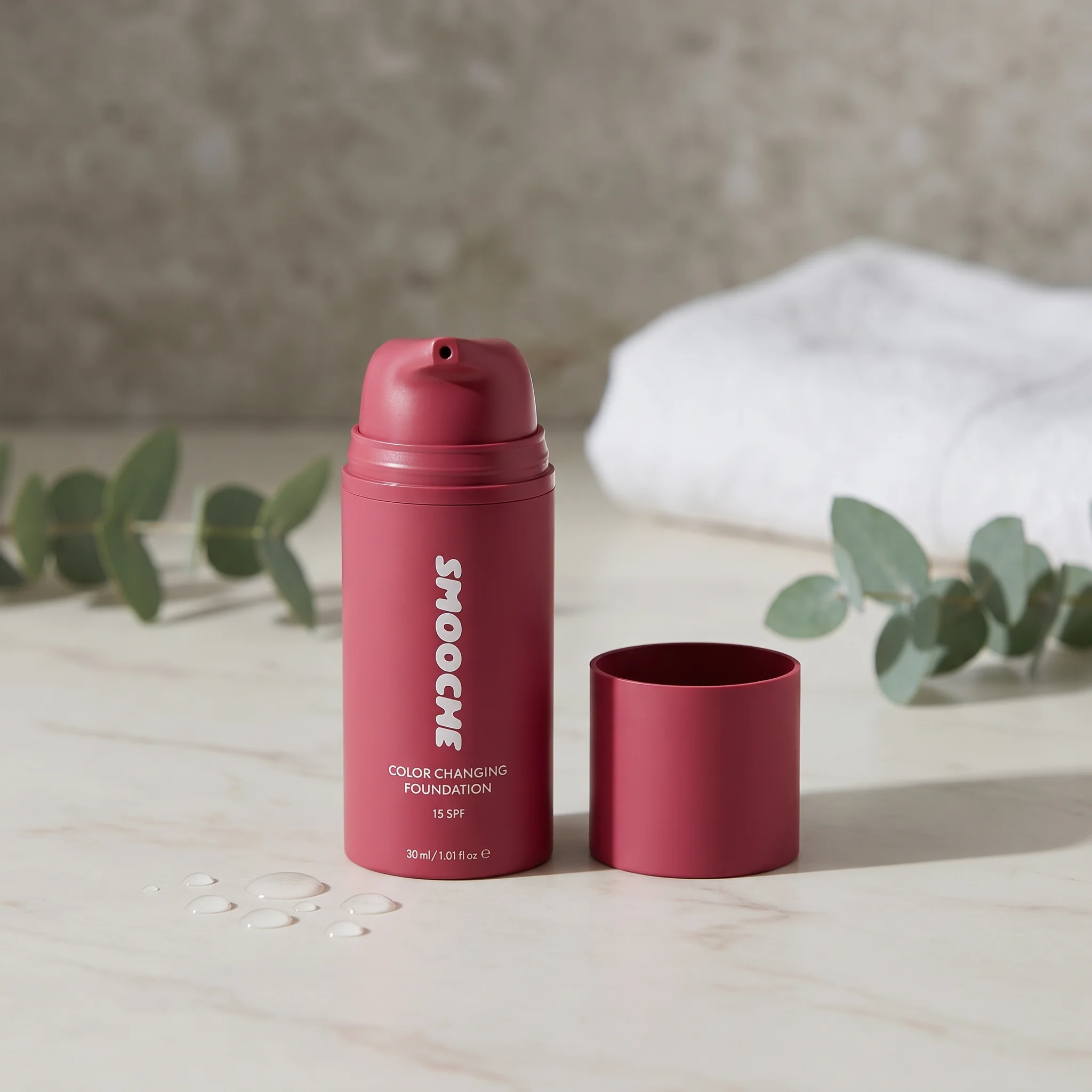
Smooche
Color-Changing Foundation
Dry skin doesn't lie. The wrong foundation lifts off a flake by 10am, clings to the cracked corner of your nose by lunch, and by the time the dinner candles are lit it's settled into every fine line you didn't have last winter. Most foundations on the shelf are formulated for the average T-zone — and the average T-zone is not your face.

The first cold snap of the year had hit Minneapolis, and like every January that meant one thing for us: dry skin season. There are four of us, and we're counting down to Saanvi's 40th birthday week — five days at a rented chalet in Aspen, late February 2027. Twelve days, four lift tickets, an aprés-ski dinner photographed by a hired photographer Saanvi's husband insists on (he's surprising her), and — for four women whose faces all flake the second the temperature drops below freezing — a foundation problem none of us has fully solved.
Last March we did a long weekend in Banff together. By the second afternoon, every one of us had foundation either clinging to a patch of cold-wind-cracked cheek (Annika), pilling around a tretinoin-flaky chin (Heather), separating across a hot-flash-dry forehead (Saanvi), or — in Sloane's case, after a transatlantic red-eye and a five-hour gondola wait — completely gone. The group photos came back ten days later and we deleted the worst of them on a Sunday afternoon group call. We opened a thread called "Project Aspen" and started over.
So we spent the first six weeks of this year testing five of the most-recommended hydrating foundations on the kind of skin that exposes a foundation's real chemistry — dry, dehydrated, sometimes actively peeling. Minneapolis winter mornings. Denver high-altitude afternoons. NYC overheated apartments at midnight. A 6-hour transatlantic flight in seat 24A. We cared about which ones still looked like skin after twelve hours — no flaking around the nose, no settling into smile lines, no clinging to the dry patch that always shows up under our left eye in January. Here's what we found.
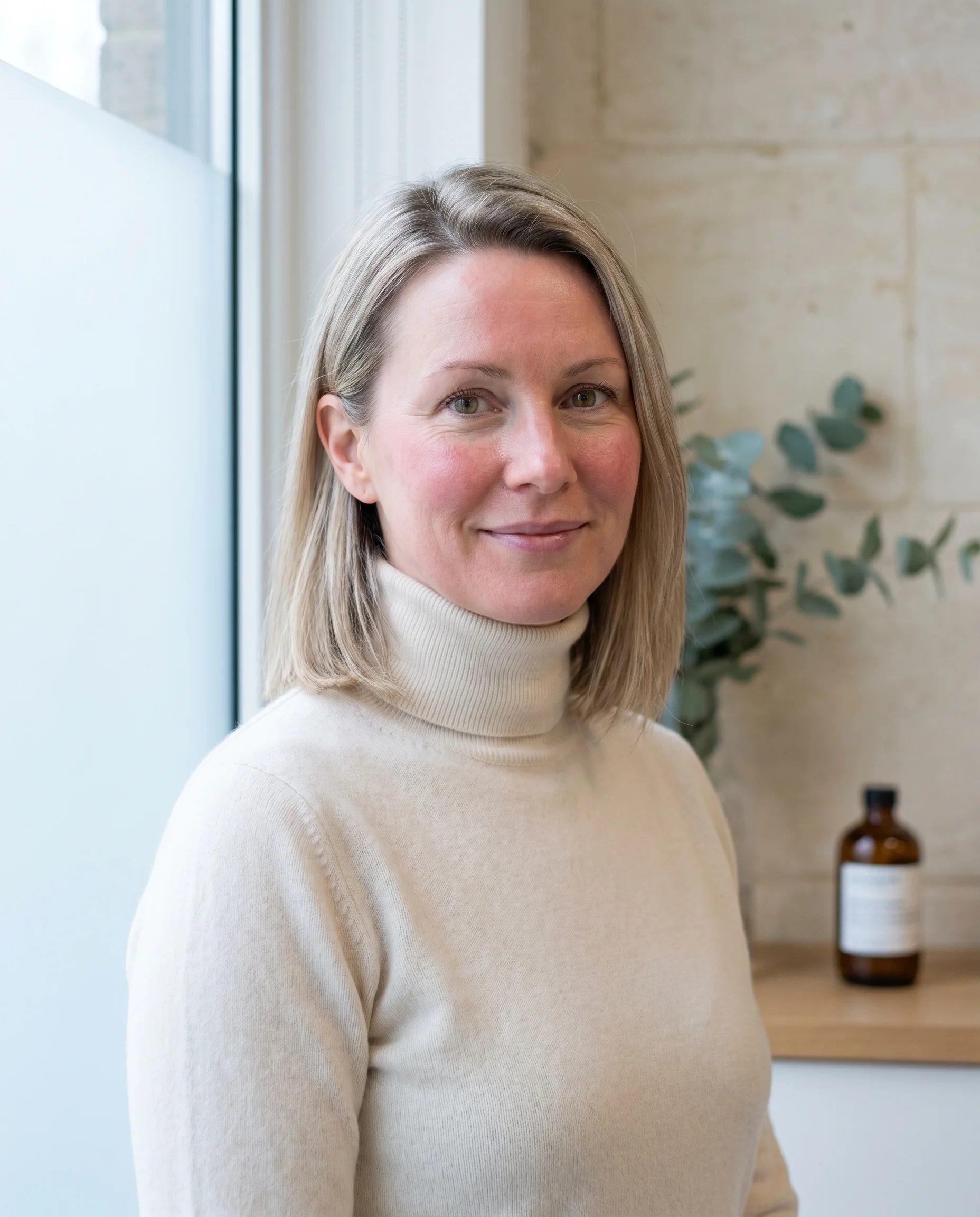
Most foundation marketed as "hydrating" is full-coverage foundation with a humectant or two added to the back of the ingredient list. The base is still designed to bind to a balanced T-zone — and on real dry skin (the surface of which is missing lipids, missing water, and shedding micro-flakes you can't see until something sits on top of them) that base will cling, settle, and lift within hours.
Dry skin has three things normal skin doesn't: lipid loss (a less continuous surface for foundation to grip), trans-epidermal water loss (the skin is actively pulling moisture out faster than the foundation can hold it in), and visible micro-texture (peeling, flakes around the nose, the cracked patch by the left eye that every dry-skinned reader will recognize). A formula that ignores any of those three facts will photograph beautifully at 9am and ruin your 6pm photos.
We wanted to know which of the five most-recommended hydrating foundations for dry skin — across price points, finishes, and how-clinical-is-it categories — actually account for any of this. So we tested them. On us. For six weeks. Through a Minneapolis January, a Denver altitude week, a transatlantic red-eye, and the kind of dry indoor heat that turns every winter apartment into a cracked-skin laboratory.
We chose the five most-recommended hydrating foundations for dry skin across categories — one adaptive-pigment newcomer, two luxury house staples beloved for their glow, one dermatologist-tested clinical option, and one drugstore moisturizing-makeup classic. We bought all five with our own money. No PR samples. No brand contact before testing.
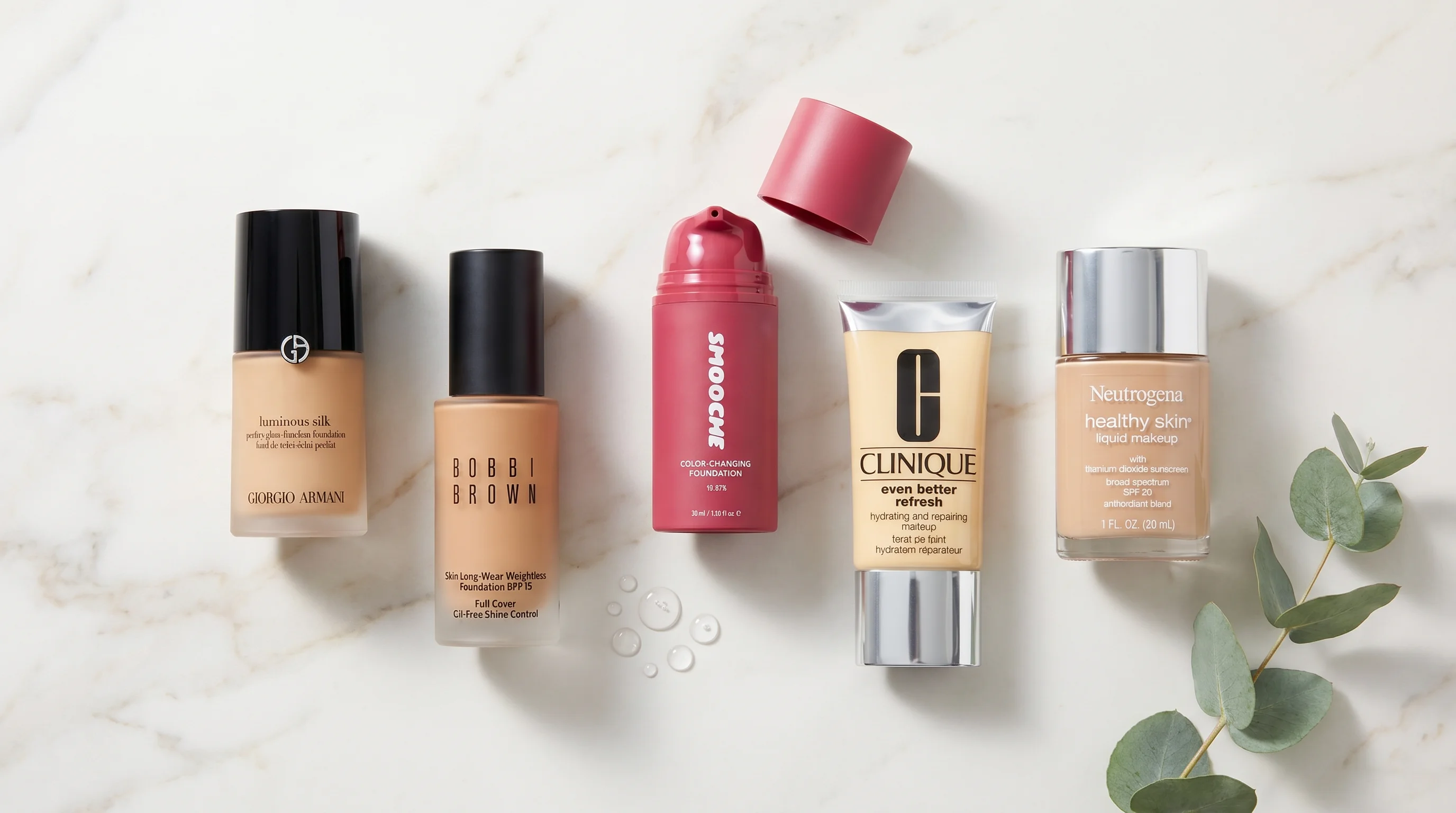
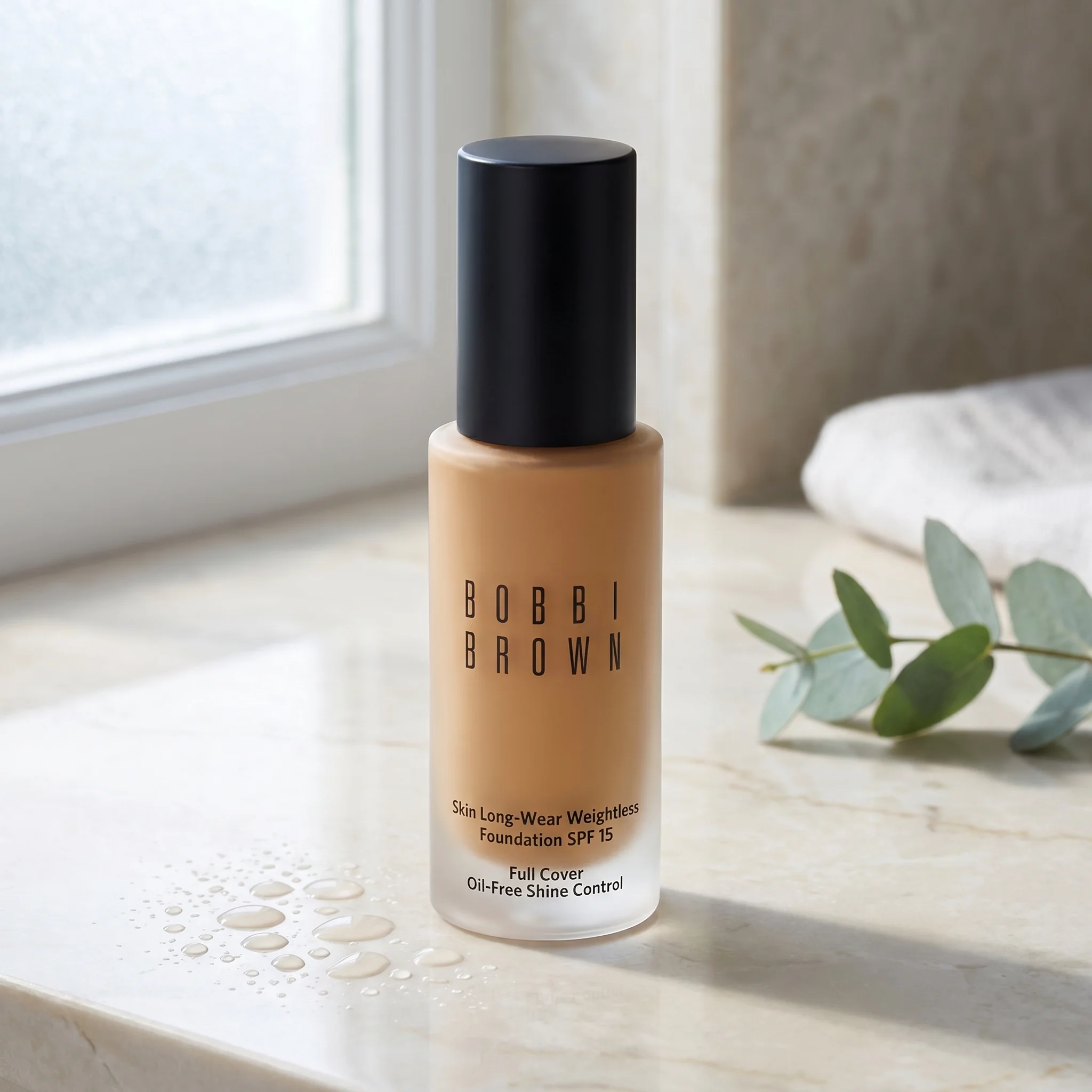
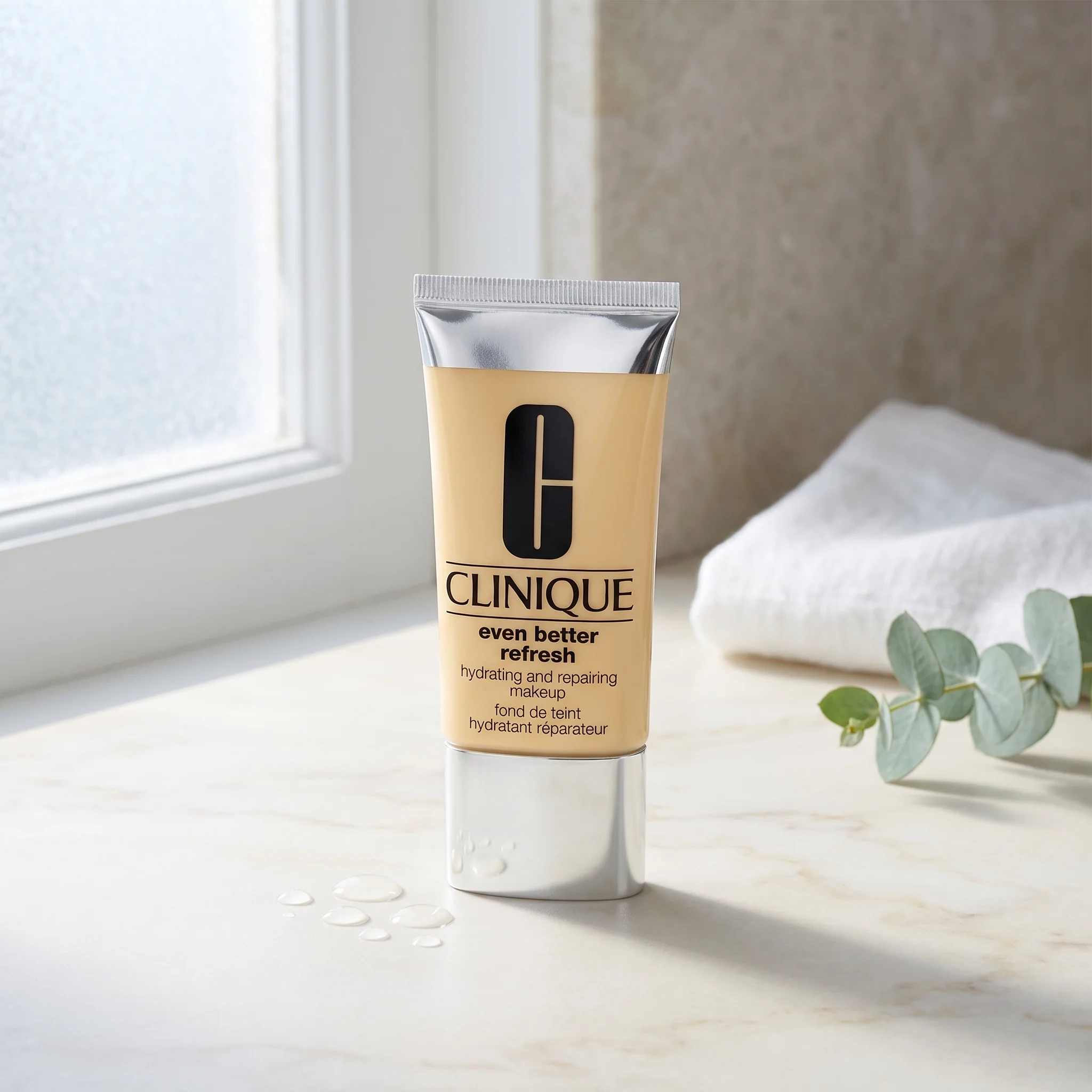
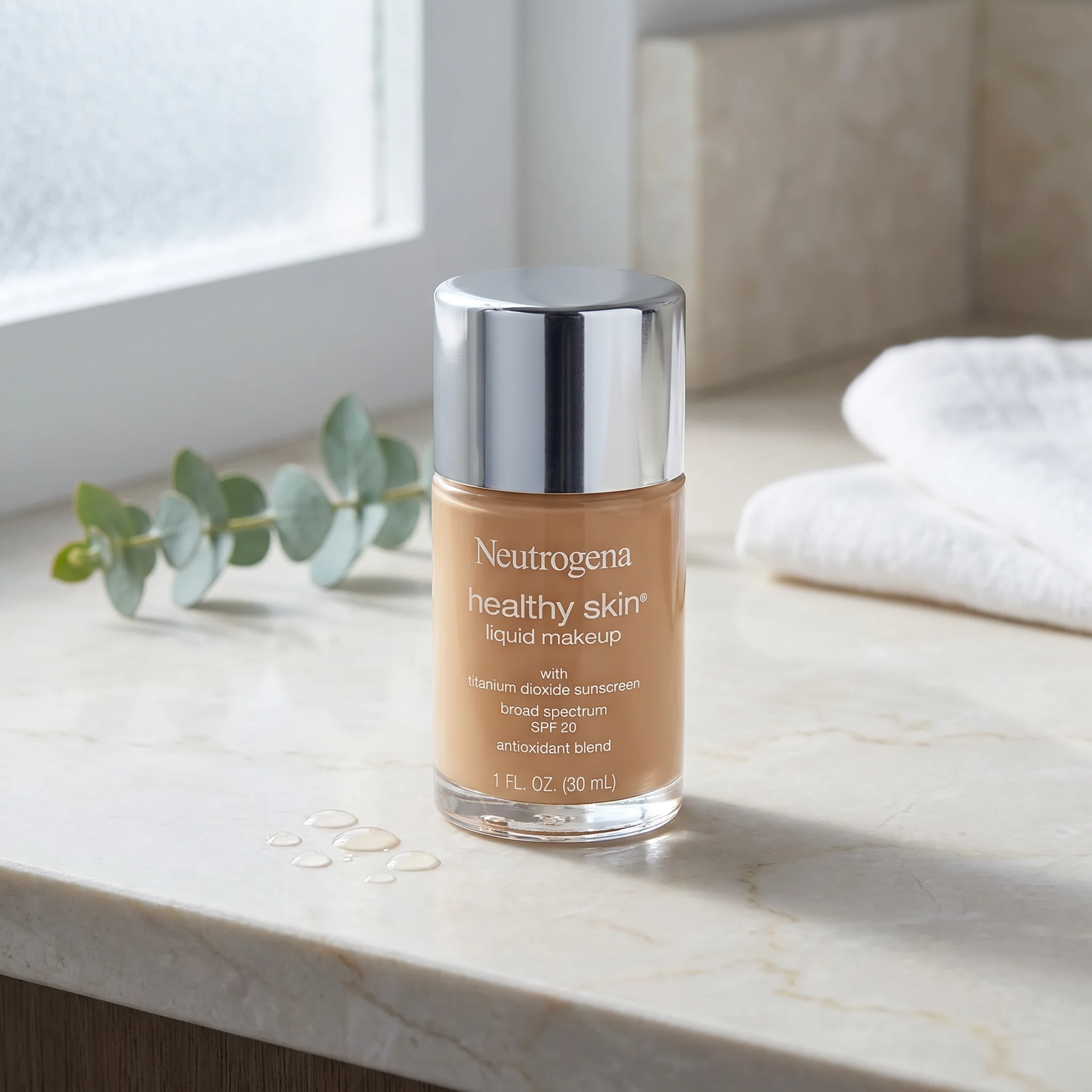

Phase 1 was six full weeks of dry-winter daily wear — Annika's clinic days under fluorescent dermatology-suite light, Heather's tretinoin-week mornings, Saanvi's high-altitude Denver afternoons, Sloane's red-eye flights and dry-cabin layovers. Each of us wore a different foundation each week, rotating through all five. We took unfiltered photos at hours 1, 6, and 10 in three lighting conditions: north-facing daylight, harsh fluorescent overhead, and dry indoor-heat at 7pm. The single question we asked at hour 10: would I let someone photograph my face under flash right now.
Held up beautifully. Heather, whose face had been in active tretinoin retinization for three weeks at the start of the test, said it was the first foundation she'd worn that week without seeing a single flake lift by lunchtime. No clinging, no pilling, no settling around Annika's January-cracked cheeks. "It actually hydrates rather than pretends to," she said in week two — and as someone who has spent fourteen years recommending hydrating skincare to dry-skin patients, that's a sentence she does not say casually.
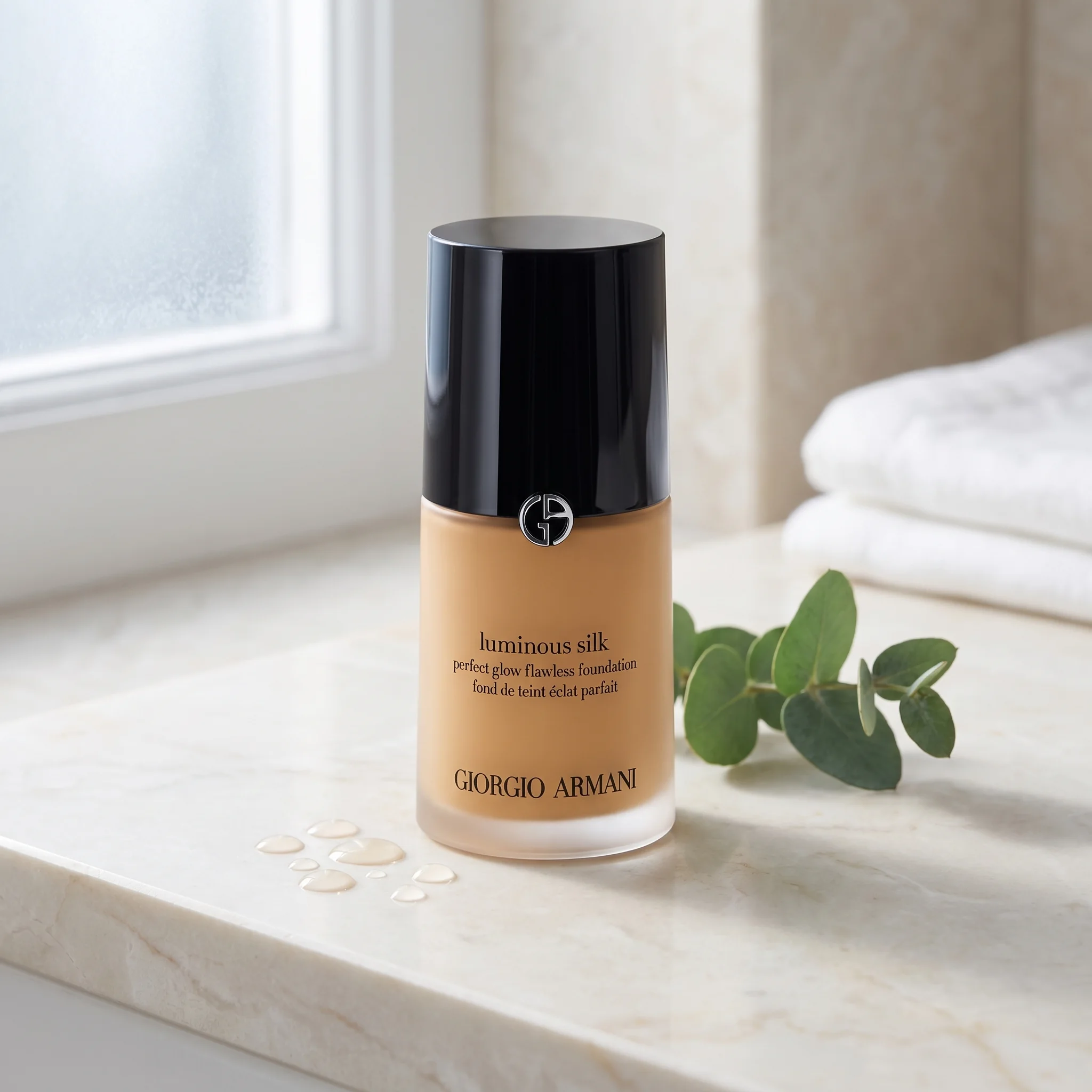
The luminous-finish reputation is real — Sloane's hour-1 photos at JFK pre-flight could have been a campaign ad. But by hour 4 in dry cabin air the finish had started to look thinner than it had in the airport bathroom mirror, and by hour 10 of the layover the formula had separated around her nose and clung to a small flaky patch on her cheek that hadn't been visible at boarding. Lovely for a four-hour evening. Not for the dry-air long-haul that dry-skinned women actually live.
Genuine 12-hour wear, and the formula does respect dry skin better than most long-wear foundations. But the satin finish drifted matte by hour 6 on Saanvi (whose perimenopausal dryness sits primarily across the forehead), and the medium coverage emphasized the small visible flakes she'd been trying to cover rather than smoothing over them. Held color well. Did not solve the dry-skin problem.
Dermatologist-credentialed, fragrance-free, allergen-tested — exactly the kind of product Annika reaches for on her own clinic-day mornings. The formula is genuinely gentle and the 12-hour hydration claim is closer to true than the others. But the finish reads decidedly clinical, not editorial — flat, slightly muted, the makeup equivalent of a SPF 60 mineral sunscreen. Held coverage. Lost the glow.
$16 at the drugstore. Hydrating on application, real moisturizer-foundation feel, comfortable hour-1. By hour 4 it had separated around the nose on three of four panelists, by hour 6 Heather's tretinoin-week flakes were clinging to it, and by hour 8 it had effectively soaked into the dry surface of Annika's left cheek and disappeared. Solid for a short-wear school-drop-off day. Not the answer for a full dry-winter workday.
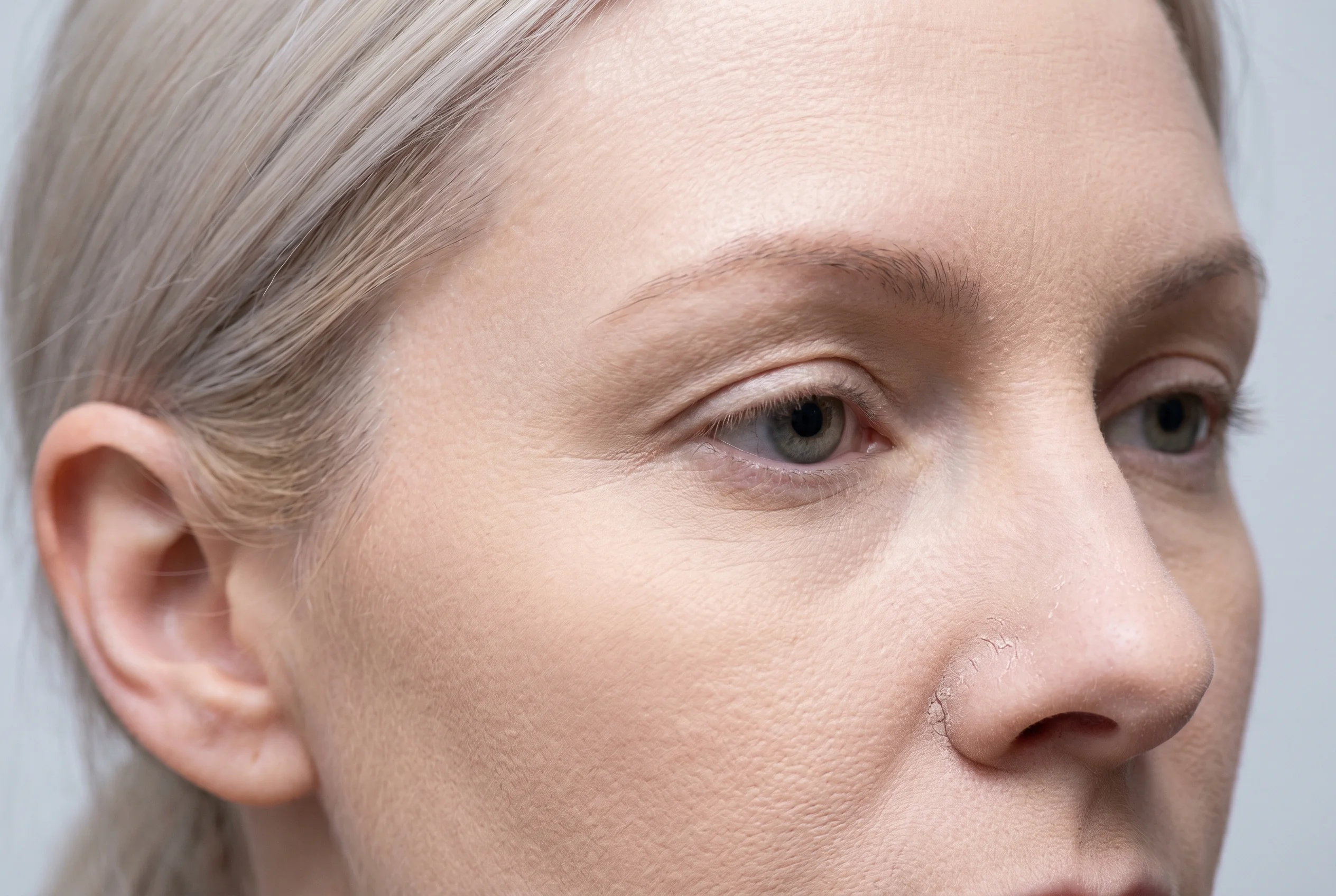

Phase 2 was the real test. Heather was hosting a winter-launch dinner for one of the brands she covers — applied at 7am for a 9am breakfast meeting, into a 14°F outdoor walking tour, into three hours of overheated press-junket interviews, into a six-course dinner at 9pm photographed by a magazine staff photographer. Five foundations, split across the four of us, applied at 7am, photographed across the full day under daylight, overhead fluorescents, candlelight, and editorial flash. Same skin. Same conditions. Honest comparison.
Photographed at 9pm exactly as it did at 9am. Annika took it off at midnight and said her dry left cheek looked smoother underneath than it had at 7am — the humectants had pulled moisture into her skin all day rather than out of it. The only foundation in the test that gave a hydrated, skin-like finish at hour 14.
Held its signature glow through the 7am-to-1pm window — Sloane's daylight photos at the noon press junket are quite genuinely beautiful. But by the 4pm afternoon press break the glow had drifted to genuine shine across her nose, and by the candlelit dinner the formula had thinned enough that the dry patch on her left cheek was visibly catching the light differently than the rest of her face. Beautiful for the ceremony. Not for the after-dinner photo round.
Held coverage through the full 14-hour day. But the finish read flatter and more matte under the dinner's overhead fixtures than any of us expected, and Saanvi's hairline showed a faint settle-line by the after-dinner photographs. Reliable, but not the dewy hydrated finish dry-skinned women are usually buying "hydrating foundation" to get.
The most comfortable foundation in the test — Heather's tretinoin-irritated skin felt no different at hour 14 than at hour 0, which is genuinely rare. But the coverage faded noticeably by the dinner, and the finish was the most clinical of the five under editorial flash. The right foundation for active-treatment weeks. Not the right one for a 14-hour photographed event.
Effectively gone by hour 8. "I looked tired and the foundation looked tired," Annika said — the same observation we keep making about $16 foundations and 14-hour days. We don't blame the formula. It's not pretending to be event-wear. But it is not the answer for the first time a magazine photographer points their lens at you in dry Minneapolis February air.
| Feature | Smooche | Armani | Bobbi Brown | Clinique | Neutrogena |
|---|---|---|---|---|---|
| Hydrates dry skin while wearing | ✓ | ~ | ~ | ✓ | ~ |
| Doesn't cling to flakes or dry patches | ✓ | ✕ | ~ | ~ | ✕ |
| Adapts to skin tone — no shade matching | ✓ | ✕ | ✕ | ✕ | ✕ |
| Wears 12+ hours without settling | ✓ | ~ | ✓ | ~ | ✕ |
| Doesn't pill over tretinoin or actives | ✓ | ~ | ~ | ✓ | ✕ |
| Photographs with hydrated, skin-like glow | ✓ | ~ | ✕ | ✕ | ✕ |
Legend: ✓ passed · ~ mixed · ✕ failed
← swipe to compare all brands →

It's been three weeks since the Phase 2 dinner. We're still wearing Smooche.
Saanvi has placed an order for five bottles for Aspen — one for her, one for each of the other three, and a spare in case Sloane forgets hers (Sloane has forgotten her makeup bag on three of the last four trips). Project Aspen is locked in.
There will be 14°F chairlift mornings. There will be aprés-ski fires and dry indoor heat that turns every other rental cottage into a cracked-skin trap. There will be Saanvi's 40th birthday dinner photographed under unforgiving downlights at the chalet's long pine table. And for the first time in any of our adult lives, we are not going to spend the trip checking the corners of our nose in the bathroom mirror, hoping the foundation we packed has held.
Functionally, yes — it is the most hydrating foundation in our test and we tested four products explicitly marketed as moisturizing or hydrating makeup. The base is humectant-heavy (glycerin and a low-molecular-weight humectant pair that pulls moisture into the surface rather than letting it evaporate) rather than silicone-heavy (silicones sit on top of dry skin and emphasize flakes — they're not bad ingredients, but they're not the right base chemistry for genuinely dry skin). The color-changing technology is a separate feature; the hydration is the part dry-skinned readers will care about.
This was the most important test in the project. Heather had active tretinoin retinization across her forehead and chin during three of the six weeks of testing — visible peel, the works. Smooche didn't cling. The humectant base softens micro-flakes rather than gripping them, so by the time you'd blended the foundation in, the surface looked smoother than when you started. Annika, whose mid-winter cheek-cracking is severe enough to require Vaseline overnight, said it was the first foundation in fifteen years she'd worn for a full clinic day without seeing a flake lift around her nose.
Yes, with the small caveat that no foundation will look great on a face that's mid-active-peel; that's not a Smooche-specific limitation. But of the five foundations we tested, Smooche was the only one Heather wore through a full active-retinization week without the formula pilling on top of the peel. The humectants pull moisture into the surface, and the absence of heavy silicones means it doesn't catch on the small loose flakes that come with tretinoin or AHA weeks. (If you're peeling severely, give the skin 48 hours and then test on a low-active day before committing to a full-face wear.)
Sloane is our test case here — international flight-attendant schedule, oily-prone nose-and-chin, dry-cracked cheeks especially after long-haul flights. She wore Smooche on a transatlantic red-eye and through the following layover day without a single oily breakthrough on her nose and without a single cling-to-dry-patch moment on her cheeks. The adaptive formula is genuinely doing two things: hydrating the dry zones while not amplifying the oily ones. That balance is the actual definition of "good for combination skin," and most foundations marketed at combination skin fail at one of the two halves.
Yes — SPF 15 built in. If you'll be in real winter sun or at altitude (Aspen ski day, Saanvi's Denver-light commute), we'd recommend layering a separate SPF 30+ underneath. Annika wears a French-pharmacy mineral SPF under Smooche on cold-bright clinic mornings; Sloane uses an Asian-beauty hybrid sunscreen on flight days. SPF 15 is the floor for everyday indoor light, not the answer for a chairlift Tuesday.
Smooche offers a 30-day money-back guarantee from the date of order — even on opened, used bottles. For dry, sensitive, or reactive skin specifically, we'd suggest patch-testing on the side of the neck for 48 hours before applying to the full face, which is the same protocol we used in this review and the same protocol Annika recommends to her dermatology patients before they introduce any new product. If it doesn't work, return it.
$39 on the publisher's page for the first 500 readers per day. 30-day no-questions return, free U.S. shipping over $50, trusted by 50,000+ women worldwide.
★ 4.8 from 51,837 verified reviews